
EndoTech Singapore Engineered endodontics
Contact

Technology

Transform Technology

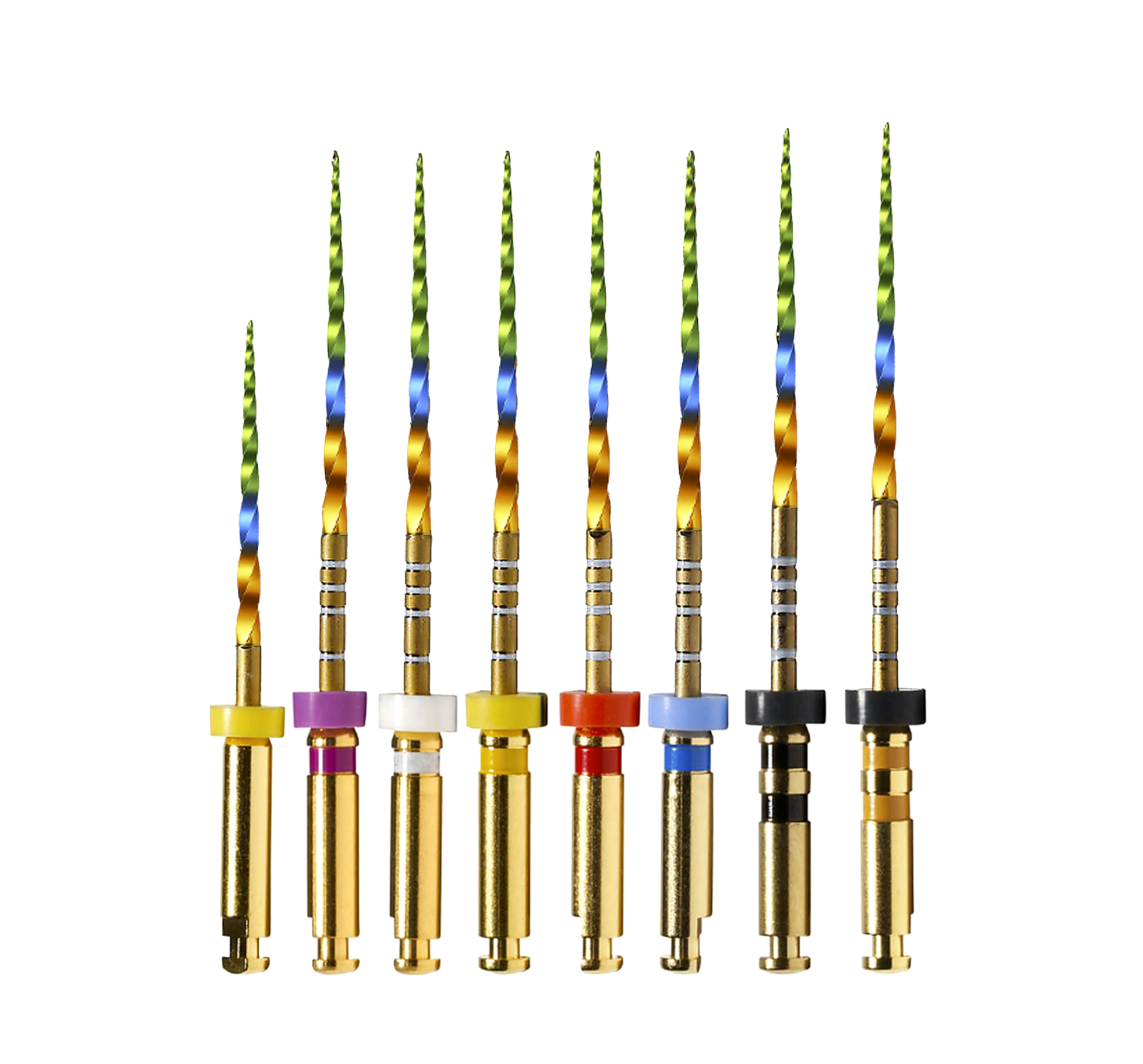
Variable-phase NiTi engineering designed to give the file a calmer, more adaptive response as canal anatomy becomes less forgiving.

TransformX rotary file system
Controlled shaping response Engineering behaviour through the working length, not only at the cutting edge.

Clinical workflow strip

Clinical Problem

Traditional files ask one material response to solve two different clinical demands.

Coronal shaping needs strength and stability. Apical shaping needs flexibility, control, and reduced lateral stress. A uniform file response can compromise one zone while trying to serve the other.

How It Works

A progressive response through the active working length.

Transform Technology uses controlled phase transitions in nickel-titanium metallurgy to tune file behaviour. The intent is simple: stability where shaping forces are higher, adaptability where anatomy becomes more demanding.

Austenite

Coronal stability

A firmer response where cutting efficiency and torsional control matter.

R-phase

Transition behaviour

A controlled intermediate response as anatomy becomes more demanding.

Martensite

Apical adaptability

A more flexible response where curvature and working-length control are most sensitive.

Clinical Benefits

Technology framed by what it helps control.

01

Progressive stress management

The file response changes through the working length, supporting efficient shaping coronally and greater adaptability near the apex.

02

Reduced iatrogenic risk

Lower restoring forces help reduce the tendency toward transportation, ledging, zipping, and apical deviation in curved anatomy.

03

Familiar clinical workflow

Transform Technology is designed to improve file behaviour without asking clinicians to abandon familiar sequence logic or technique.

Key Insight

Same technique. More controlled file behaviour.

TransformX does not ask clinicians to work differently. It is designed to help the file respond more intelligently from coronal access toward apical finishing.